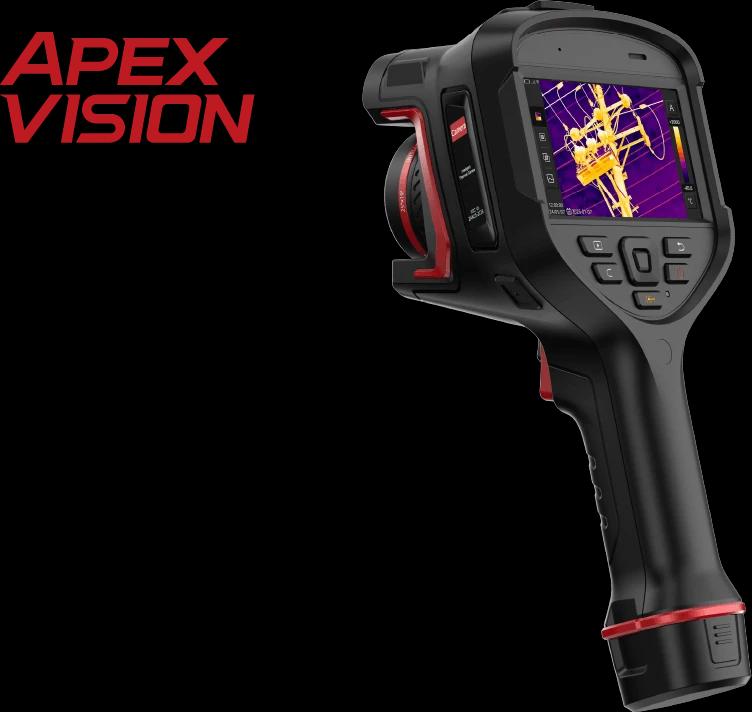
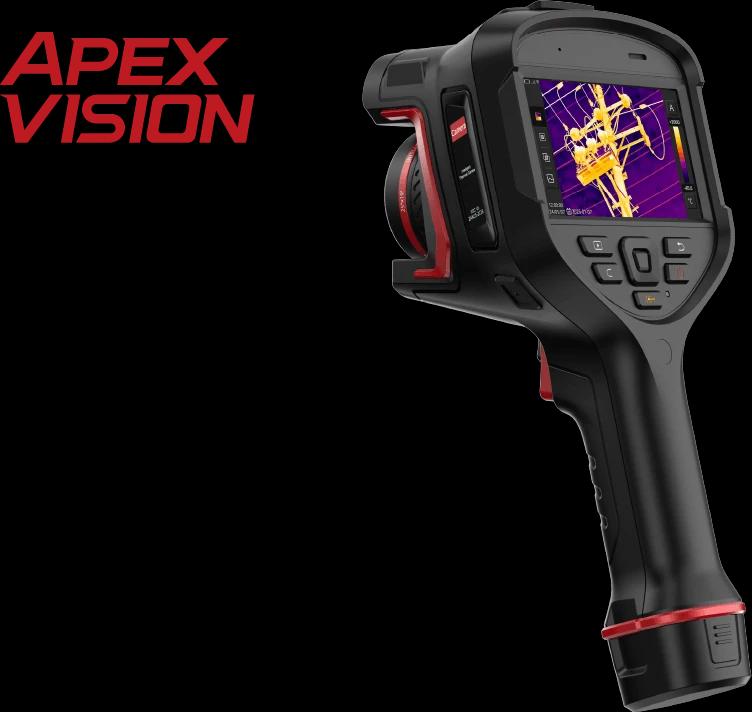
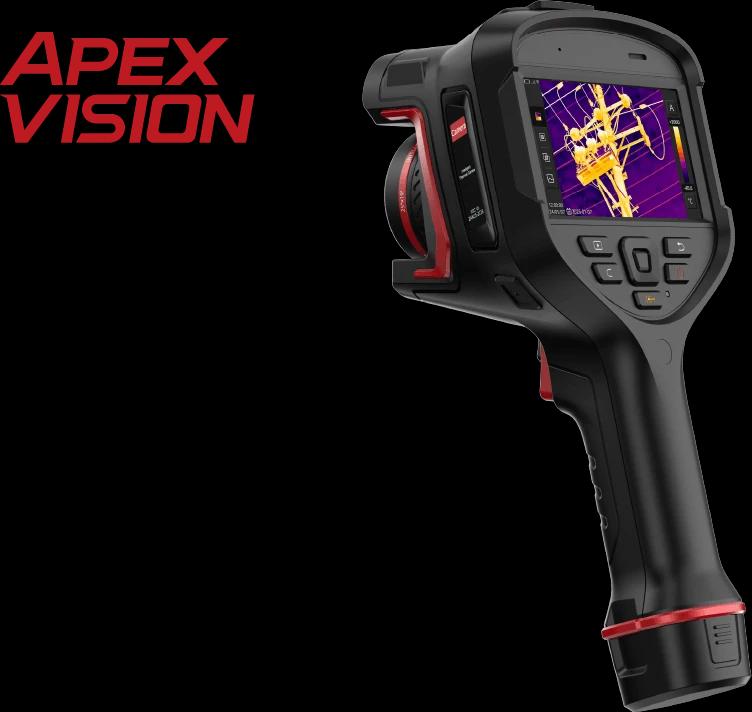
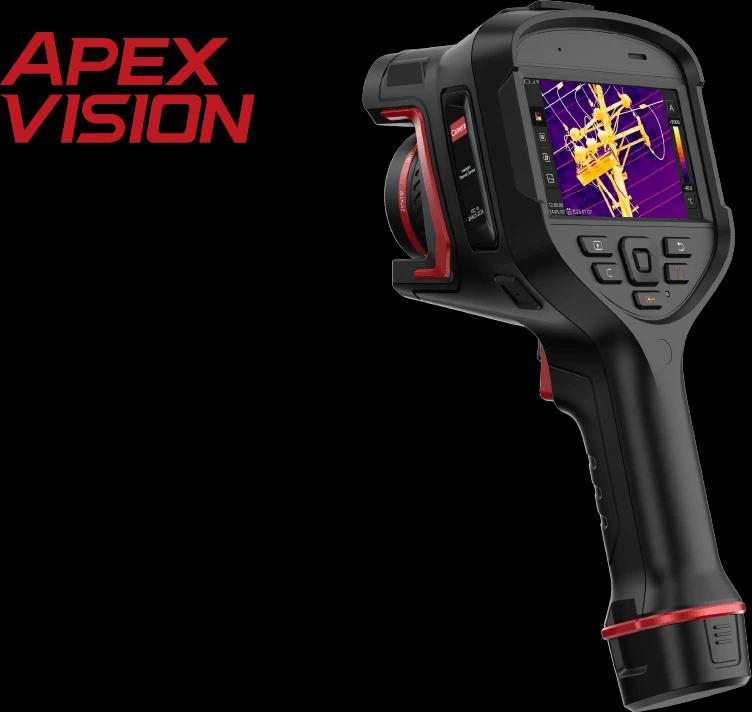
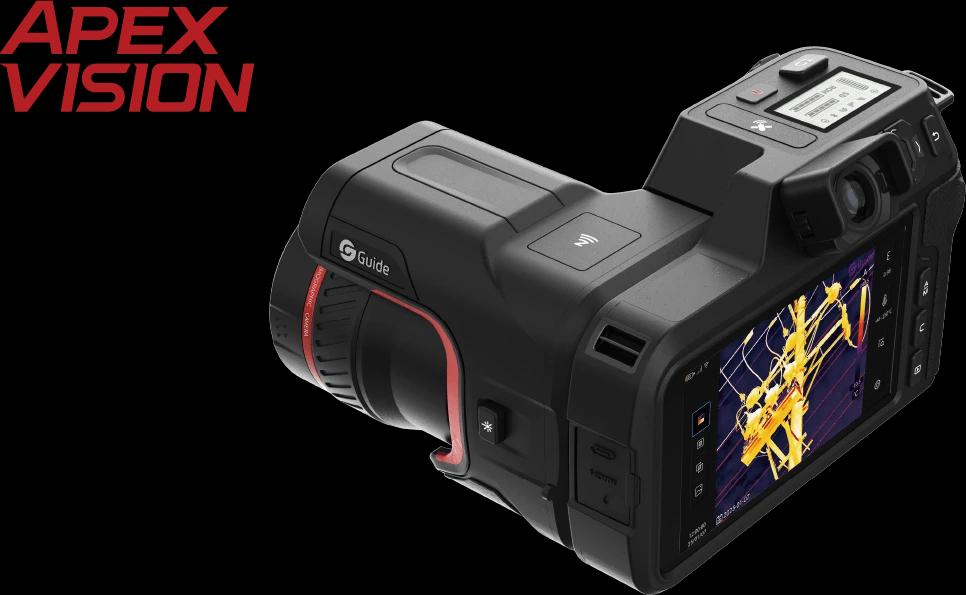
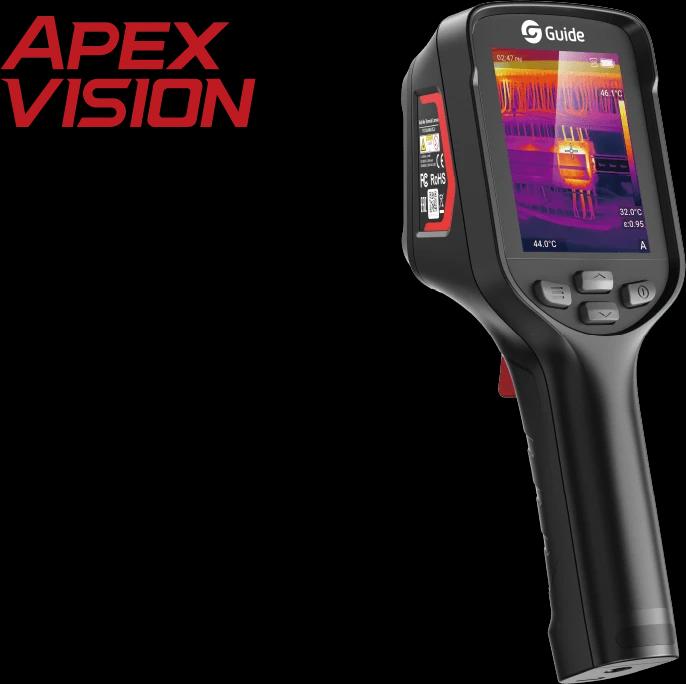
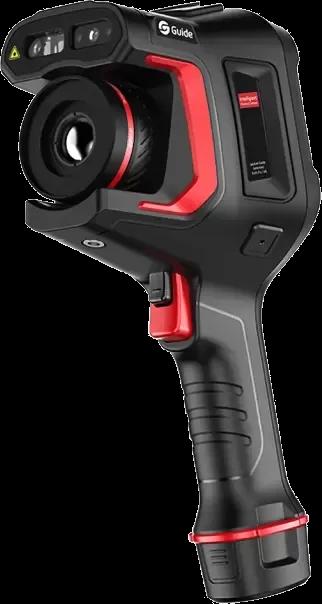
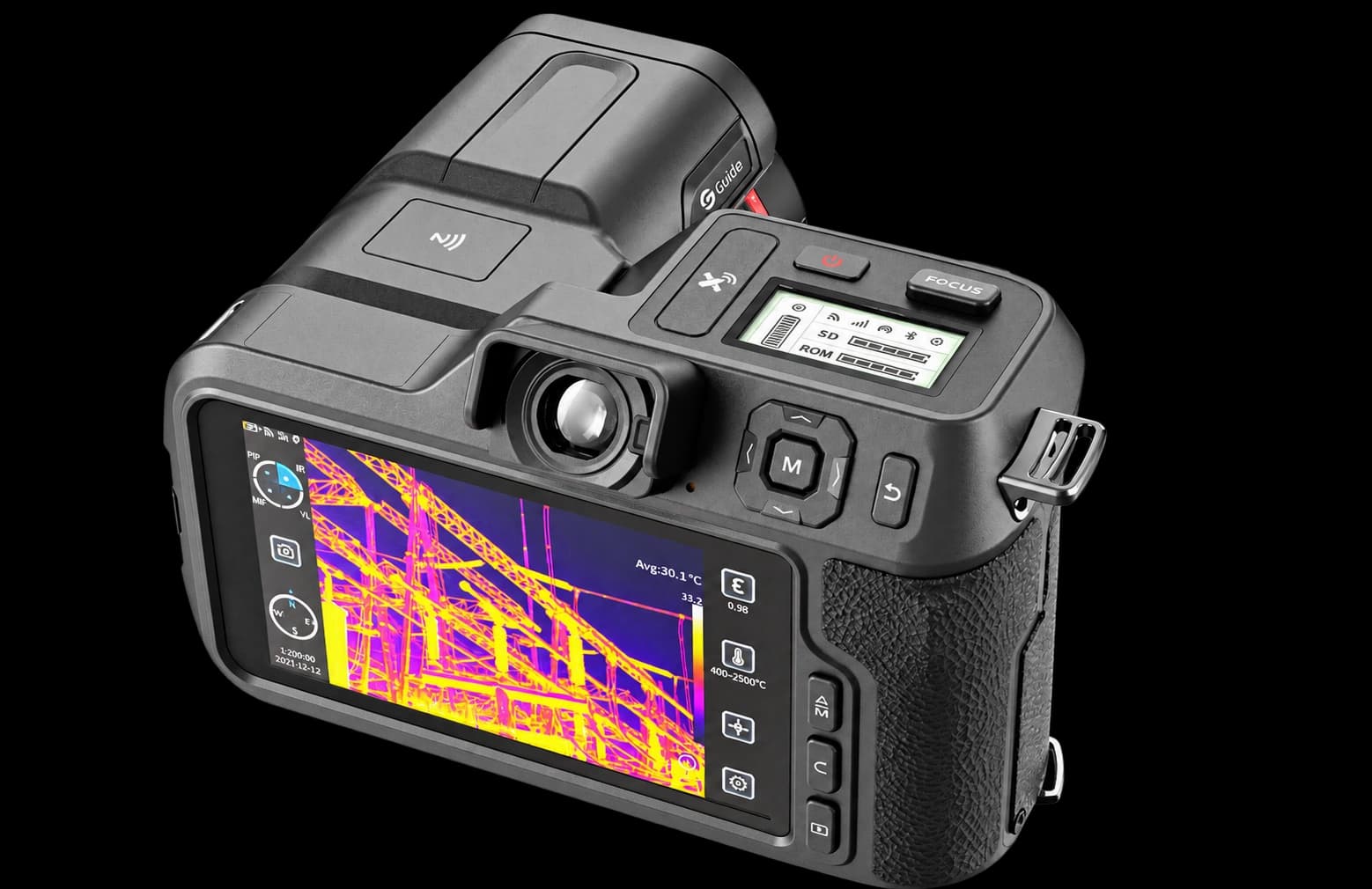
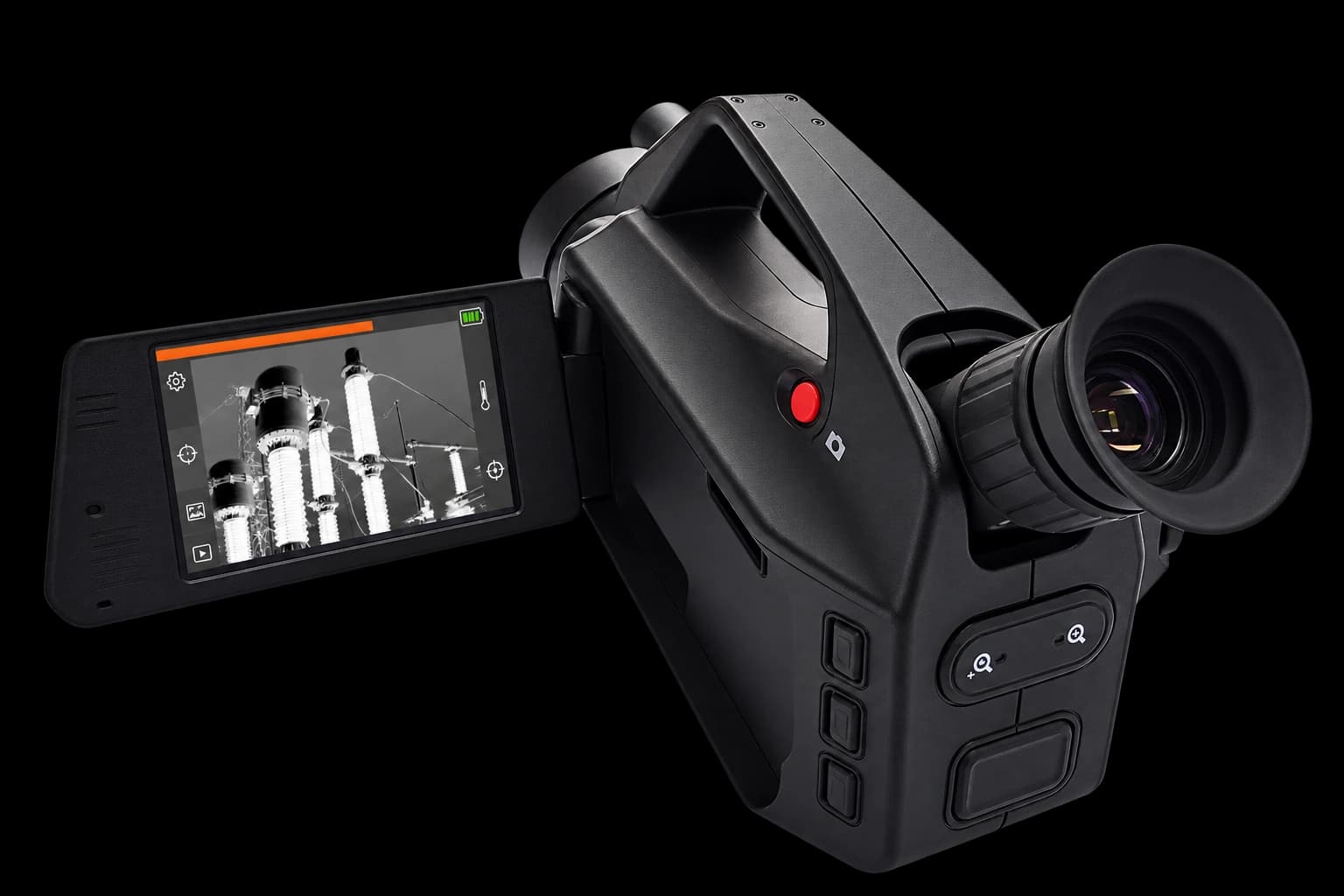
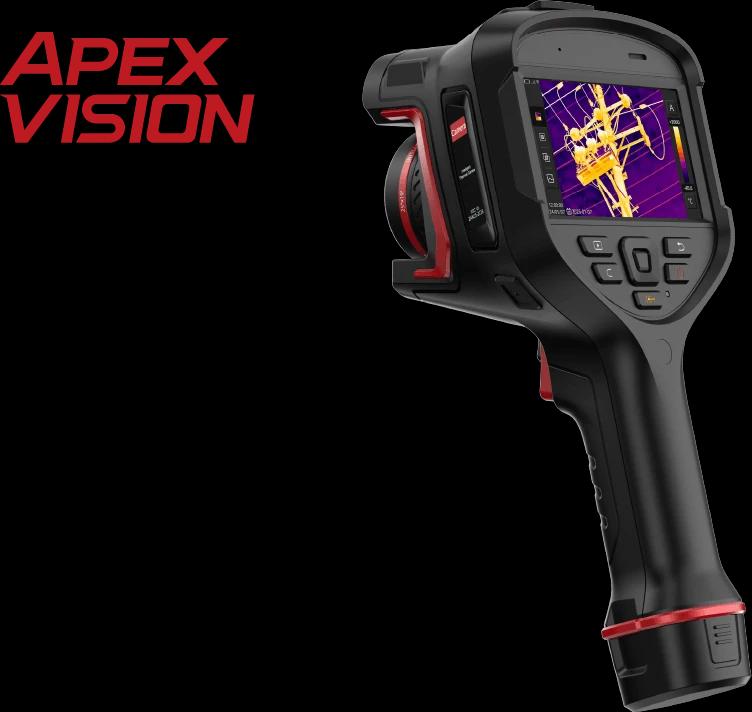
Conductor and busbar connections: local overheating of bolted and crimped joints, connectors and equipment connection points.
Circuit breakers, disconnectors and switchgear: excessive heating of contacts, current-carrying parts and cable connections under operating load.
Power transformers: temperature anomalies at high-voltage bushings, accessible tank surfaces and cooling system components.
Current and voltage instrument transformers: unusual heating of housings and contact connections compared with similar units.
Surge arresters, surge protection devices and coupling capacitors: uneven temperature distribution and heating deviations compared with similar components.
Suspension and post insulators: thermal anomalies in individual elements and surface areas that may indicate damage or deterioration of insulation.
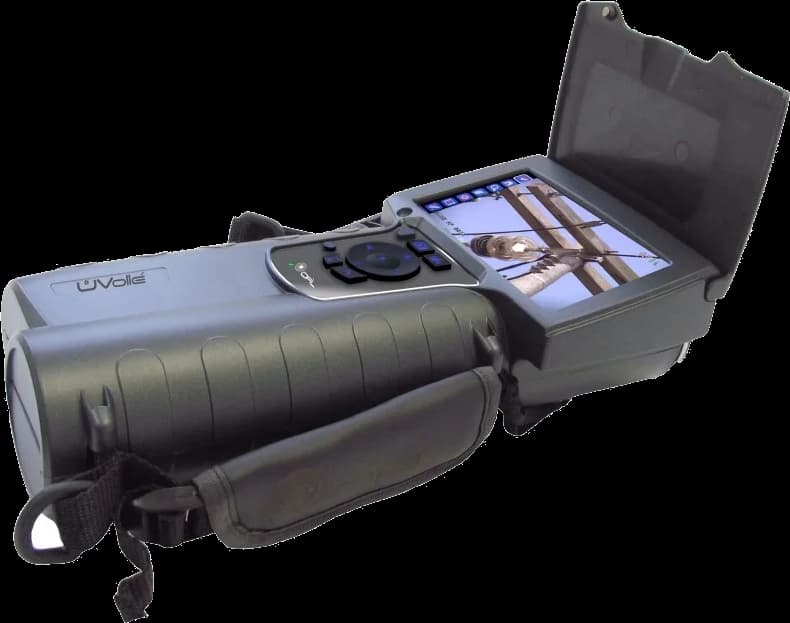
Insulators, high-voltage bushings and power line components: corona discharge locations detected with an ultraviolet camera.
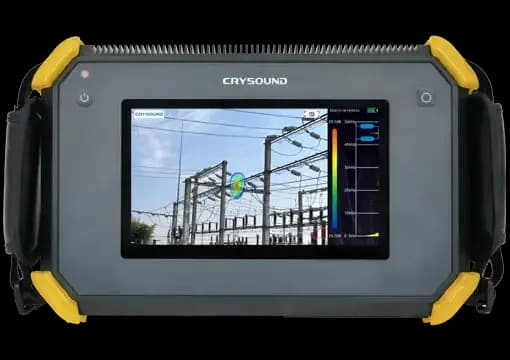
High-voltage insulation: locating acoustically accessible partial discharge sources using a sound map.
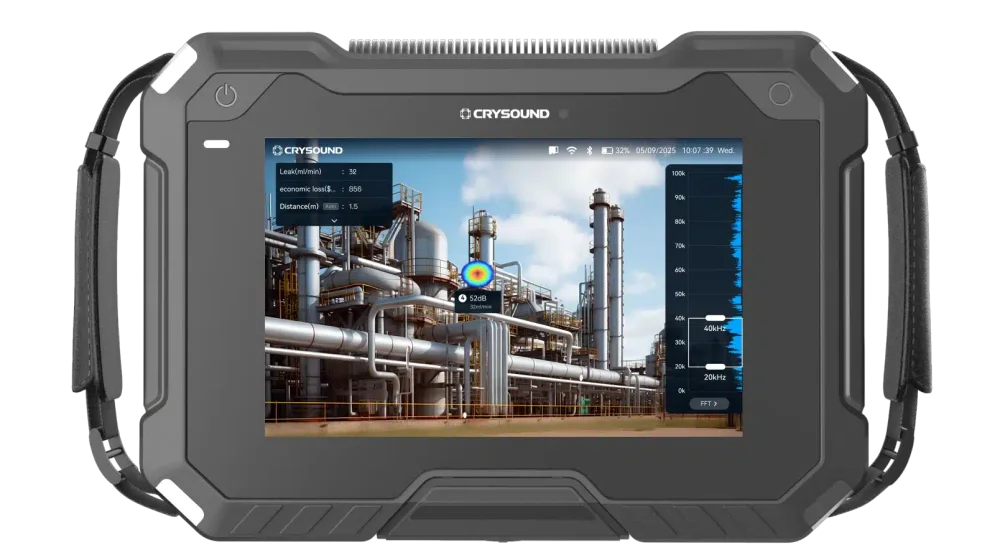
SF₆ circuit breakers and gas-insulated switchgear: visualising SF₆ leaks and identifying the leaking component, including in hard-to-reach areas.
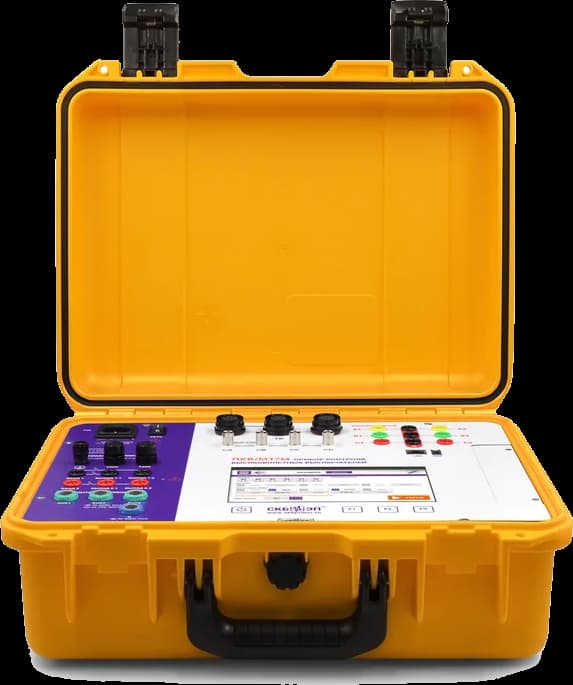
Circuit breaker closing and opening: operating durations and contact timing differences between poles and breaks.
Circuit breaker mechanics: moving-part travel and speed, wipe, rebound, overtravel and contact bounce measured with appropriate sensors.
Circuit breaker operating mechanism: comparison of travel, speed and contact timing traces to identify delays and deviations from rated specifications.
This is a selection of suitable instruments, not a mandatory kit. The scope of the inspection depends on your facility.
 Back to homeinfo@modustrade.uz+998 98 150 21 41+998 77 763 72 97